
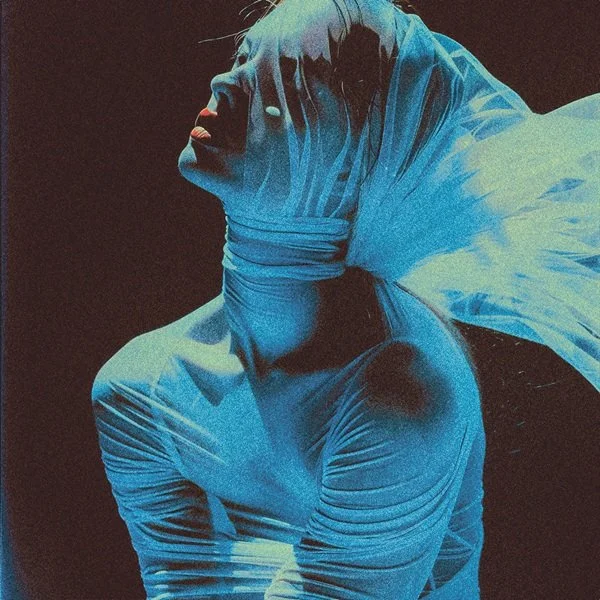
Arankai is back with The Shape of Blue, the follow-up to A Portrait of Red, and he’s clearly not interested in playing it safe. Blending alternative metal, metalcore, rap and emotionally charged melodies, the rising rocker delivers a record that constantly shifts between aggression and vulnerability. There are plenty of crushing breakdowns, as expected, but what makes this album stand out is the willingness to experiment with different sounds without losing the emotional intensity that defines his music.
Opening track ‘Helter Skelter’, featuring artist buffalo_farm, immediately throws listeners a curveball. The collaboration leans into a different sonic territory, initially raising questions about where the album is heading. buffalo_farm’s rap-meets-metal approach adds another dimension to the track, which repeatedly moves between explosive heaviness and quieter passages before erupting all over again. It’s an unpredictable opener that sets the tone for a record unwilling to remain in one lane.
‘I Hope It Hurts’ follows, and this is where Arankai really starts showing off his strengths. One of the album’s most impressive moments, the track combines forceful vocals, piercing screams and relentless breakdowns into something genuinely electrifying. The contrast between melody and outright aggression is particularly effective, making this an immediate standout.
Then comes ‘Disobey’, which might just be my favourite track on the record. Its opening energy grabs you straight away, leading into an infectious, melodic chorus that clashes beautifully with the ferocity of the verses. There’s a sense of internal conflict running through the song, almost as if two opposing personalities are fighting for control. That tension makes it one of the album’s most compelling compositions.
‘Sick & Sweet’ takes another turn, opening with rap before transitioning into melodic metalcore and circling back to its heavier hip-hop influences. There are moments that vaguely recall Korn’s ‘Freak on a Leash’, particularly in the way the heavy instrumentals and textured soundscapes collide with vocals that shift between muttered phrases, melodic singing, strained cries and guttural growls, all set against rhythmic breakdowns. It’s an interesting change of pace that highlights Arankai’s willingness to push beyond familiar genre boundaries.
The album then shifts gears with ‘Playing God’ leading into ‘Letdown’, a slower, more melodic track that proves just as memorable without relying on constant intensity. Its catchy delivery and lyrical focus allow the emotions to breathe, while the heavy guitars ensure the song never feels disconnected from the album’s heavier identity. ‘Temper’ builds on that foundation but turns up the intensity, delivering a more explosive counterpart.
By the time previously released singles ‘Choke’ and ‘Convince Me’ arrive, the record has already established its ability to move between contrasting moods. Both tracks reinforce Arankai’s ability to combine emotional songwriting with the heavier elements.
‘Have Faith’ is another highlight, with its melodic sound allowing the lyrics to take centre stage. This emotional depth reflects Arankai’s approach to songwriting, as he explains: “I tend to draw from personal experiences, but with this particular record I found myself writing songs that reflected specific situations involving other people”.
Closing track ‘The Shape of Blue’ brings everything together. As the title track, it feels like a fitting conclusion to a record built around contrasting feelings, shifting perspectives and different musical identities. Rather than simply ending on another barrage of heaviness, it leaves the album feeling like a cohesive statement.
Ultimately, The Shape of Blue is an ambitious step forward for Arankai. Its genre-hopping moments might occasionally surprise listeners, but that unpredictability is also part of its appeal. With standout tracks like ‘Disobey’ and ‘I Hope It Hurts’, alongside more melodic moments, like ‘Letdown’, that reveal another side of his songwriting, Arankai proves there’s more to his music than breakdowns alone.