
At The Gates: The Ghost of a Future Dead
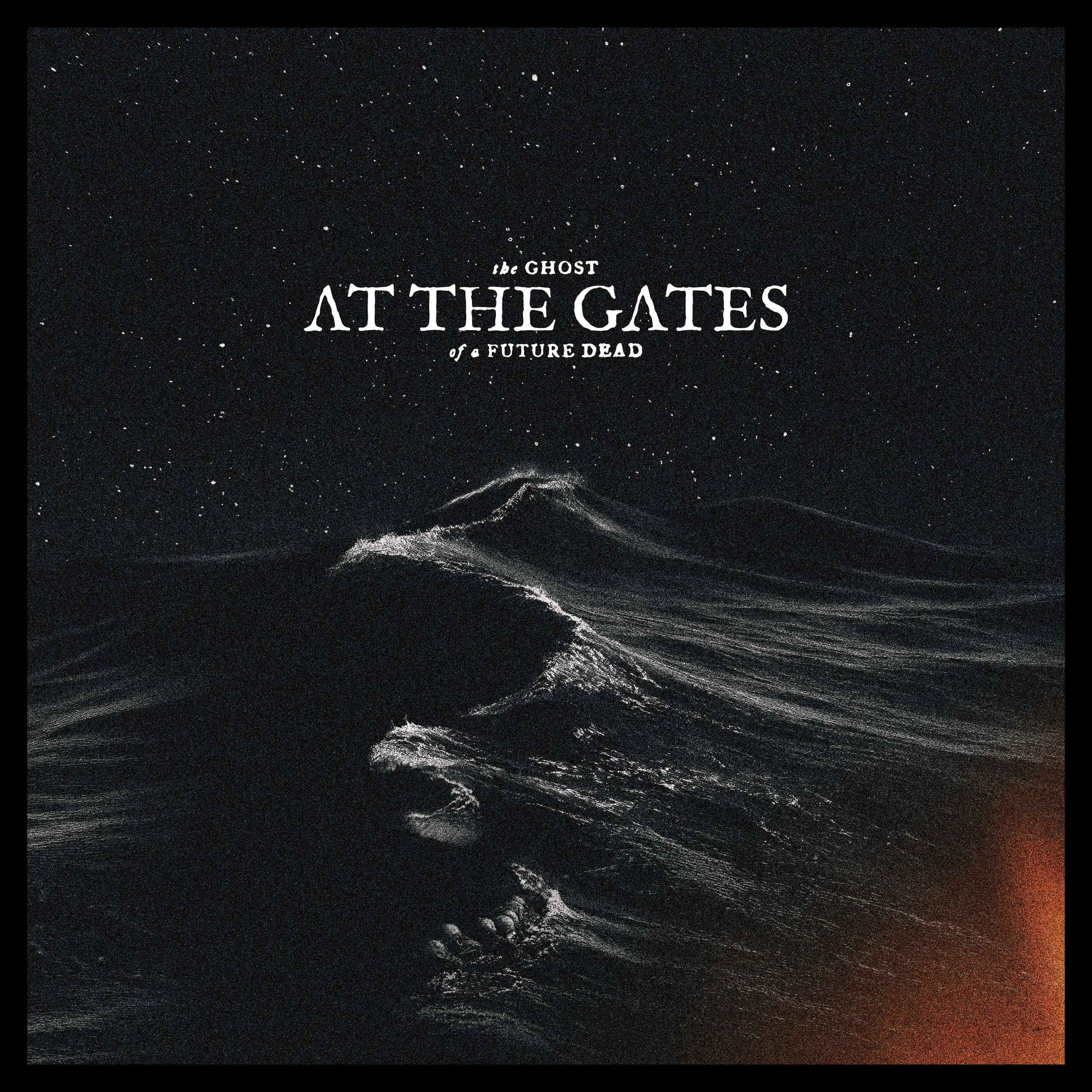
Thirty years following the release of the legendary album ‘Slaughter of the Soul’, and just a few months after the untimely passing of their frontman Tomas Lindberg, melodeath stalwarts At The Gates are releasing their eighth studio record, ‘The Ghost of a Future Dead’. The album stays true to the signature ‘Gothenburg sound’ that they helped shape along with fellow Swedes In Flames, Dissection, Dark Tranquility and more.
There are relatively few cases where a genre’s basic formula can remain unchanged and still be successful, relevant and interesting several decades later. The Black Sabbath school of doom metal, the Bad Religion school of skate punk and the At The Gates school of death metal are prime examples of the classic adage, “if it ain’t broke, don’t fix it”. ‘The Ghost of a Future Dead’ doesn’t reinvent the wheel, but it doesn’t need to. Its hardcore-inspired guitar riffs, powerful yet intelligible vocals, blistering solos and metronomic double-kick drum beats satisfy the primal urge to headbang and run in a big circle with 30 or 40 strangers – an urge which has existed for as long as humans have been creating music. (I could go on a tangent here about the connections between Indigenous American and African drumming and chanting and modern punk and metal music, but I’ll save that for another time.)
By eight albums in, many bands have either completely changed their sound or recycled it so much that it’s become bland; but At The Gates is one of the clear exceptions to that rule. The band sounds determined, ferocious, ambitious and locked-in throughout each of the record’s 12 tracks. Even the penultimate track ‘Förgängligheten’ (which translates from Swedish to “impermanence”), an acoustic/electric guitar piece, showcases a sense of composition, harmony and melody that can only come from genuine masters of their craft. At The Gates is a band with nothing to prove, but they still find ways to keep their music interesting and infused with influences from punk, pop and their metal forebears alike.
Presented in keeping with Lindberg’s artistic vision, ‘The Ghost of a Future Dead’ captures the essence of the fighting spirit. Although the album was completed prior to his passing, it is quite possible that he suspected he may not be around for its release. Like David Bowie’s ‘Blackstar’, this record serves as a sort of posthumous statement of intent, a way to bid farewell, a way to communicate from beyond the veil. It is full of passion, energy and life, and every note played or sung feels expertly crafted with the care of a man leaving his legacy and truly – but humbly – understanding the influence he has had on generations of musicians who followed in his footsteps.